
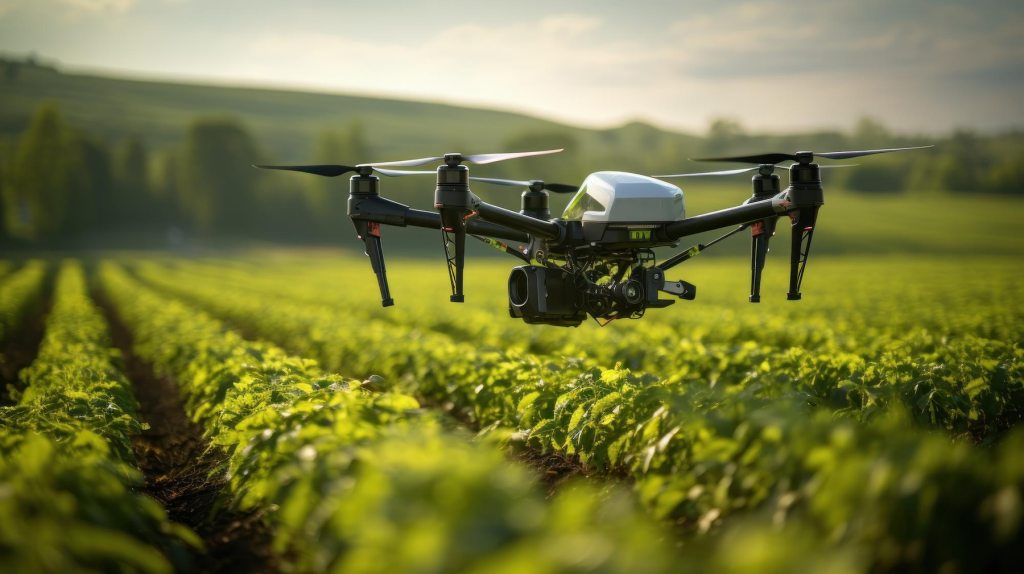
The implementation of digital technologies in viticulture is significantly transforming the wine industry, making it more efficient, sustainable, and competitive. While viticulture has deep traditional roots, technological innovation is now playing a key role in helping producers address modern challenges such as climate variability, labor shortages, and increasing market demands. Similar innovations are also being adopted in related sectors like olive oil production, specialty coffee, and craft brewing — markets that, like wine, balance heritage with the need for modernization.
One of the most impactful advancements in this area is the use of precision agriculture, where drones, satellite imagery, and soil sensors enable producers to monitor vine health, optimize irrigation, and apply treatments in a targeted manner. This approach not only reduces operational costs but also minimizes the environmental impact.
The Internet of Things (IoT) allows for real-time monitoring of climate conditions, soil moisture levels, and fermentation processes, giving winemakers greater control over every stage of production. Coupled with data analytics and artificial intelligence, producers can now predict ideal harvest times, detect early signs of disease, and forecast yields more accurately, ensuring both quality and efficiency.
Moreover, blockchain technology is being used to improve traceability, allowing consumers to verify the origin, authenticity, and production methods of the wine they purchase. This transparency builds trust and can justify premium pricing, especially for products with certified origins or artisanal attributes.
Automation and robotics are also becoming increasingly relevant, with technologies like autonomous tractors and robotic grape harvesters helping to streamline operations, especially in regions facing labor shortages. These tools not only improve productivity but also ensure that critical tasks are performed with precision and consistency.
Beyond the vineyard, the rise of digital marketing and e-commerce platforms enables small and medium-sized producers to connect directly with global consumers. This shift opens new market opportunities, enhances brand visibility, and allows producers to tell their stories in compelling and personalized ways.
Overall, the adoption of smart technologies in viticulture and similar markets brings a range of benefits across the entire value chain. These include increased productivity, improved quality, sustainable resource use, greater resilience to external risks, and stronger relationships with modern consumers. Importantly, this transformation does not replace tradition — it enhances it, ensuring that producers can maintain authenticity while adapting to the demands of a fast-evolving agricultural landscape.
Opportunities in Smart Wine: When Innovation Meets Tradition
The integration of intelligent technologies in winemaking — known as Smart Wine — is reshaping the future of viticulture. By merging traditional knowledge with cutting-edge tools, Smart Wine opens up a wide range of opportunities for producers, researchers, consumers, and global markets.
📈 1. Optimized Production
IoT sensors, drones, and data analytics allow real-time monitoring of soil, vines, and weather conditions. This leads to more precise decision-making, better resource management, and improved harvest quality.
🧠 2. Smart Decision-Making
Through AI and machine learning, winemakers can predict pests, diseases, and ideal harvest dates. These technologies also help fine-tune fermentation and aging processes based on historical and real-time data.
🌍 3. Sustainability
Smart Wine promotes efficient resource usage, reducing water consumption, energy waste, and chemical inputs. It supports environmentally friendly practices aligned with growing consumer demand for eco-conscious products.
🍷 4. Traceability and Transparency
Using blockchain and smart labeling (e.g., QR codes), consumers can trace the entire journey of the wine — from vineyard to bottle — enhancing trust, authenticity, and premium market positioning.
🤖 5. Automation and Operational Efficiency
From autonomous tractors to robotic harvesters and automated bottling systems, smart technologies improve productivity, reduce labor dependency, and streamline operations.
📲 6. Enhanced Consumer Experience
With augmented reality, mobile apps, and virtual tastings, Smart Wine creates new ways to engage consumers, educate them about the product, and build lasting brand loyalty.
🌐 7. Global Competitiveness
Smart Wine gives producers a competitive edge in international markets, offering innovations that meet modern expectations for quality, transparency, and sustainability.
🍇 In Summary:
Smart Wine is not about replacing tradition — it’s about evolving it.
It builds a bridge between the ancient art of winemaking and the digital tools of the 21st century, ensuring the future of wine is as rich and refined as its past.
#SmartWine #WineInnovation #ViticultureTech #PrecisionAgriculture #SustainableWine #WineTech #DigitalTransformation #FutureOfWine #IoTInAgriculture



 Colaborati
Leave a comment